Brief it once.
Then it does the work

Not a workflow you have to draw, and not a chatbot that only talks. An employee with a job description, a set of duties and explicit limits on what it is allowed to touch.
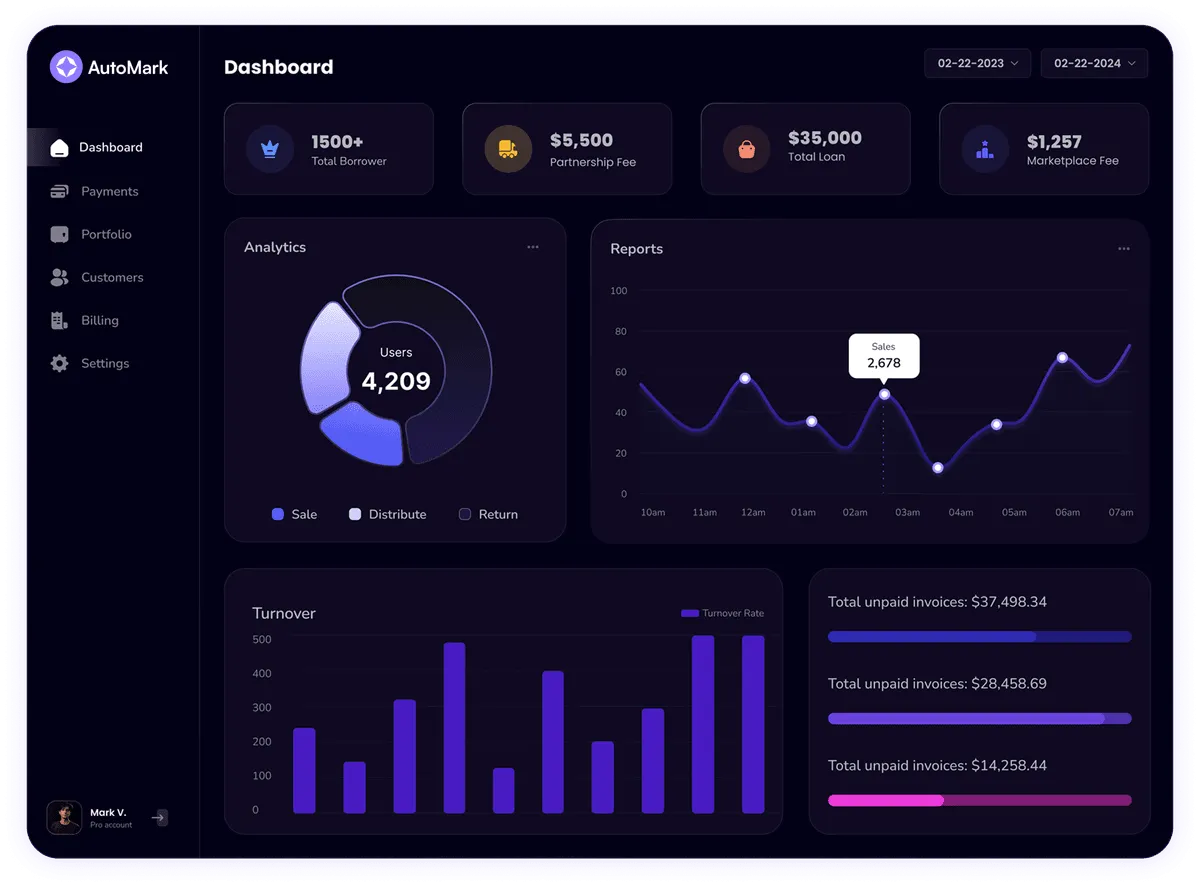
Kotrov Coworker dashboard

One employee,
many kinds of work.

A role, not a prompt

Name, job description, duties, the tools it may use and how far it may go on its own.

A role, not a prompt

Probation before trust

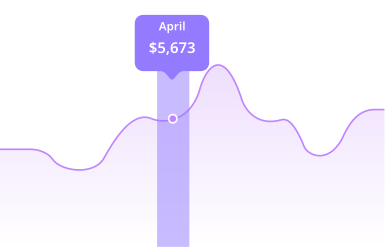
New employees start restricted. Autonomy widens as the work proves reliable, never as a single on/off switch.
Probation before trust

Work that keeps itself running

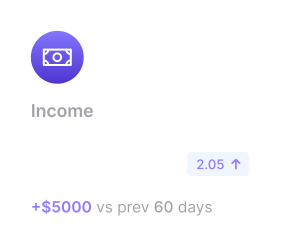
Anything that repeats becomes a duty with a schedule, a history and a pause button.
Work that keeps itself running

Jobs that cross several systems at once

Daily business pulse

Revenue, pipeline and analytics pulled together into the summary someone currently assembles by hand every morning.

Pipeline and data hygiene

Finds records that have gone stale or inconsistent, prepares the corrections, and waits for your approval before touching anything.

Reconciliation

Compares payments against the CRM and surfaces what stopped matching, with the evidence for each discrepancy.

Briefs and reports

Meeting briefs, account histories, project status and the weekly operational report — assembled from the sources, not guessed.

Jobs that cross several systems at once

Safe enough to actually give it access

Approval before impact

Reading is free. Writing to your systems, emailing a customer or anything touching money is classified by risk and stops for approval, showing exactly what will happen.

It never exceeds you

Effective permissions are the intersection of workspace policy, the user's role, the connected account's scopes and the employee's own tool policy.

Credentials stay out of the model

The employee sees a connection and an account label — never a token. Secrets are injected at the point of the call and nowhere else.

A worklog, not a black box

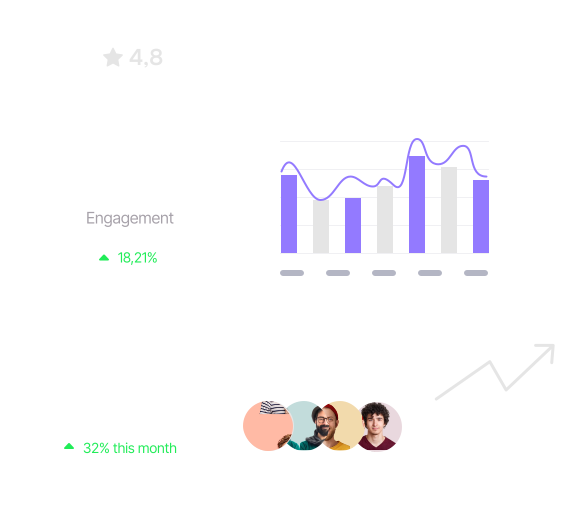
Every run shows the sources it read, the actions it took, what it was waiting on and what it cost. EU-hosted from the first release.
Safe enough to actually give it access

Before you sign up

What early access actually means, and what it does not.

Ask us directly
No. We are building it now and opening early access to a small number of teams. Signing up starts a conversation, not a trial.
Those need you to define the trigger, every step, every condition and every error path in advance. That works for rigid processes and badly for everything else. Here you describe the job and the limits of authority, the way you would brief a colleague, and the employee works out the steps.
Not by default. Reading is allowed; anything that writes to a real system, sends an external message or touches money is classified by risk and asks for approval first. New employees start on probation, and every action lands in a worklog you can read back.
No, and that is deliberate. An employee's effective permissions are the intersection of your workspace policy, the user's role, the connected account's scopes and the employee's own tool policy. It cannot exceed the person who asked.
The EU. That is the baseline from the first release rather than an enterprise upsell. Credentials are never placed in the model's context — the employee sees a connection, never a token.
You pick two or three jobs that genuinely cost your team hours each week. We measure how long they take today, build those first, and check after a few weeks whether it actually helped. If it did not, we would rather know.
We have not set pricing. It will be a workspace subscription with usage included rather than a charge per employee you create — you should not be billed for describing a role. Early access participants will not be surprised by a bill.
Early access

Stop paying people to move data between tabs

We are opening early access to a small group of teams. Tell us which jobs cost you the most hours and we will start there.

Request early access